

Why Cassava Processing is a Growing Industry in Nigeria
According to the Nigeria Cassava Investment Accelerator (NCIA), Nigeria produces over 60 million metric tons of cassava annually, making it the world's largest producer. However, the country captures only about 2% of the estimated $180 billion global cassava processing market. This shows that even though Nigeria has a strong advantage in cassava production, it is still far behind in processing and value addition.
Cassava is primarily seen as a food crop used to make products like garri and fufu. Most of it is still sold in raw or semi-processed form. However, cassava is now also being recognised as an important industrial raw material with strong potential for economic growth.
Cassava Products in Nigeria and Uses of Cassava Starch
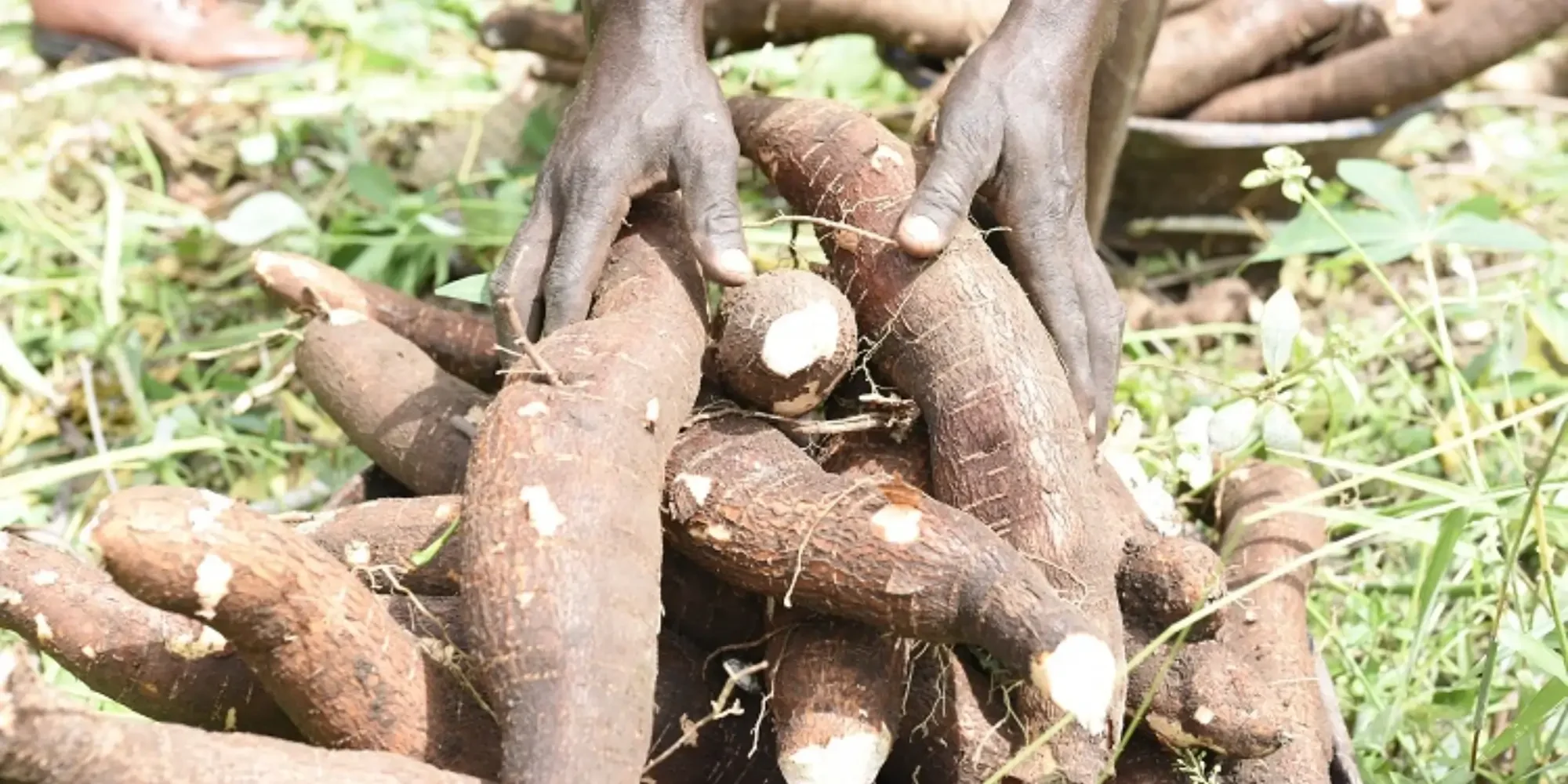
Cassava is processed into many products in Nigeria, including garri, fufu, cassava flour, tapioca, and cassava starch. These products are widely consumed and form an important part of daily diets across the country.
Cassava starch is one of the most important industrial products from cassava. It is used in food processing, textiles, paper production, pharmaceuticals, and adhesives. In food industries, it is used to thicken soups, sauces, and baked goods. In non-food industries, it is used to produce glue, paper coatings, and biodegradable packaging materials. This shows that cassava is not only a food crop but also an important raw material for industrial use.
Demand for Cassava Products in Nigeria
There is a strong and growing demand for cassava products in Nigeria. Cassava flour is becoming more popular as a cheaper alternative to wheat flour, especially in baking and food production.
Industrially, demand is also increasing for cassava starch and other processed cassava products. Many industries depend on these materials, and a large portion is still imported into Nigeria. This creates an opportunity for local production to replace imports and meet rising demand.
The growing use of cassava in both food and industrial sectors shows that cassava processing has strong business potential in Nigeria.
Cassava Processing Business Opportunities and Challenges in Nigeria
Cassava processing in Nigeria presents strong business opportunities due to the large supply of raw cassava and increasing demand for processed products. Nigeria’s production strength gives it an advantage, but most of the value is still not fully captured because processing is limited.
Cassava can be converted into higher-value products such as flour, starch, ethanol, and animal feed. These products are in demand both locally and internationally, making cassava processing a profitable business area.
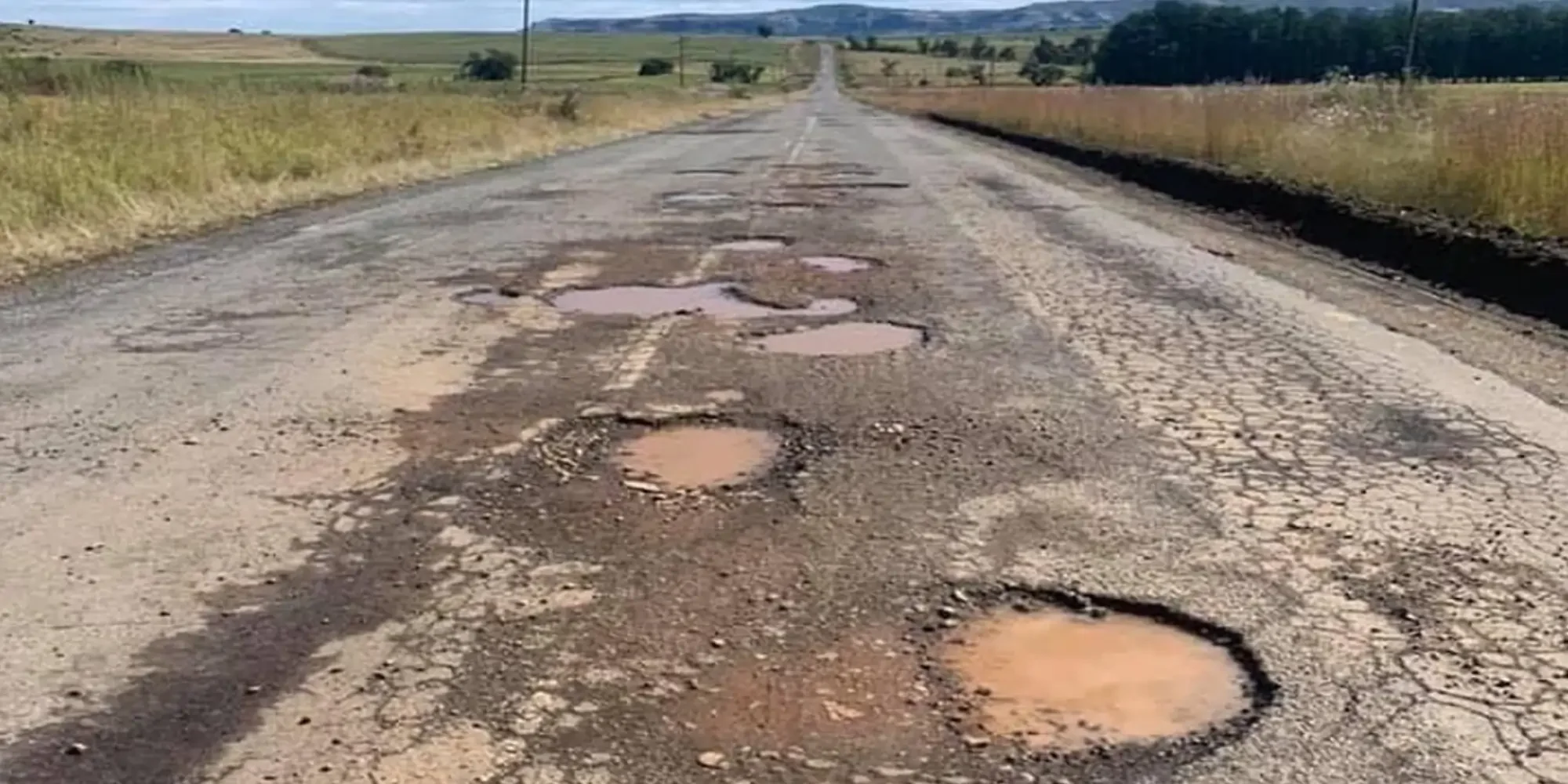
However, cassava processors face several challenges. Poor infrastructure, especially bad roads, makes it difficult to transport raw cassava efficiently. Unreliable electricity supply increases production costs because many processors rely on generators. Limited access to finance also makes it hard for small and medium-sized processors to expand their businesses. These challenges slow down growth in the sector.
Despite these issues, cassava processing remains a strong opportunity in Nigeria because of the large supply of cassava and rising demand for processed products.
Conclusion
Cassava processing is an important and growing industry in Nigeria. The country has a strong production base, but still processes very little of its cassava compared to global standards. This creates a major opportunity for investment and business growth.
With rising demand for cassava-based products and increasing industrial use, Nigeria has the potential to grow its cassava processing industry and reduce reliance on imports. However, challenges such as poor infrastructure, energy issues, and limited access to finance must be addressed for the sector to reach its full potential.